



These values are identified by the local Party committee and authorities as an important spiritual foundation and an endogenous resource to promote sustainable development.
.jpg)
Located at the confluence of the Nậm Na river, Nậm Lay stream, and the Đà River, Mường Lay ward bears the appearance of a unique cultural space where the identity of the White Thái community is gathered and preserved. After the reorganization of administrative units, Mường Lay ward was formed through the merger of Sông Đà ward, Na Lay ward, Lay Nưa commune of the former Mường Lay town, and Sá Tổng commune of the former Mường Chà district. This consolidation has not faded traditional values; on the contrary, it has created conditions for the locality to more clearly define its role as the cultural “capital” of the White Thái in the Northwest region.
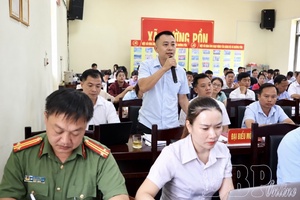
In recent times, the Party Committee, People’s Council, and People’s Committee of Mường Lay ward have issued many resolutions, plans, and projects related to the preservation and promotion of the cultural values of ethnic groups in the area, closely linked with socio-economic development goals and the building of grassroots cultural life. The local focus is identified as restoring and organizing unique traditional festivals; preserving good customs and habits; and maintaining folk games, folk songs, and folk dances in the community and schools. Through this, the awareness of heritage preservation is awakened from the cultural subjects themselves, especially the younger generation, to ensure the continuous inheritance of White Thái identity in the context of modernization and increasingly strong cultural exchange.
.jpg)
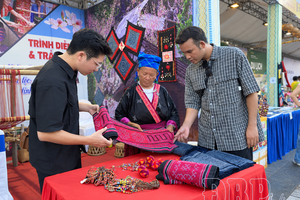
Lù Văn Ánh, Vice Chairman of the Mường Lay ward People’s Committee, stated that currently, many intangible cultural heritages of ethnic groups in Mường Lay, especially the White Thái, are still practiced regularly in daily life. The Thái language is commonly used in family and community activities; folk dances and traditional games appear in festivals and cultural events; wedding, funeral, and housewarming rituals still follow traditional standards; and ethnic cuisine, costumes, and jewelry continue to be preserved and used on important occasions.
Along with that, the preservation of White Thái culture in Mường Lay ward is implemented comprehensively, combining heritage preservation, the promotion of artistic values, and integration with cultural tourism development. Regarding intangible heritage, the locality possesses and practices many values recognized at national and international levels. Specifically for the White Thái, the Then Kin Pang Festival is a typical religious ritual reflecting the worldview, outlook on life, and folk knowledge of the community. The craft of making Khẩu Xén and Chí Chọp cakes demonstrates sophistication in traditional cuisine, associated with Tet holidays and daily life. Besides, Xòe Thái art and Then practices are shared heritages of the Thái community, contributing to affirming Mường Lay’s cultural position in the Thái cultural space of the Northwest.
.jpg)
In recent years, Mường Lay has focused on organizing large-scale cultural events, creating highlights for the spiritual life of the people and promoting the local image. Typical is the 11th Mường Lay ward Swallow-tail Boat Racing Festival, associated with cultural, sports, and tourism activities in 2026, held under the theme “Returning to the Đà River.”
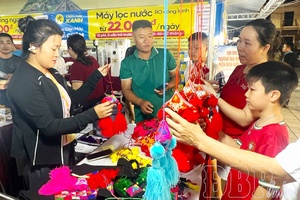
The festival is designed with a diverse series of activities, harmoniously connecting traditional sports, modern sports, and tourism experience activities. Alongside the competitions, the organization of cultural spaces is given special attention, most notably the Thái Ethnic Cultural Space at the Cơ Khí boat wharf area. Here, tangible and intangible cultural values are vividly introduced, creating conditions for locals and tourists to access, experience, and deeply understand the White Thái identity.
.jpg)
The highlight of this year’s festival season is the “Solidarity Dance by the Đà River” activity with the participation of about 10,000 people. This is not merely a collective performance but a tribute to community dances, expressing social cohesion and affirming the enduring vitality of traditional culture in contemporary life. Lò Thị Lả, from Quan Chiên village, Vice Chairwoman of the Mường Lay Thái Cultural Club, is one of the direct participants in the Xòe circle. For many years, she has persistently collected ancient dances from elders in the village, including those aged over 90 or even over 100.
Lò Thị Lả shared: “I have been passionate about Thái dance since I was very young, so I have gradually accumulated knowledge and skills. Mường Lay Thái dance has unique characteristics in rhythm, hand and foot movements, and the coordination between body and costume, creating a graceful and sophisticated style distinct from many other Thái regions. Currently, I am directly involved in teaching Thái dance to the younger generation, from preschool to schools in the area. This activity will help bring heritage back to life, ensuring continuity between generations.”
.jpg)
Preserving and promoting the cultural identity of the White Thái in Mường Lay is a long-term process requiring perseverance, consensus, and creativity. With the correct orientation of the Party committee and authorities along with the proactive participation of the community, Mường Lay is step by step affirming its position as a bright spot in ethnic cultural preservation associated with sustainable development, so that traditional values continue to shine by the Đà River.
Diệp Chi
.jpg)
.jpg)
.jpg)
.jpg)
.jpg)
.jpg)
.jpg)
.jpg)
.jpg)
.jpg)
You have 500/500 characters left
Please enter 5 or more characters!!!